
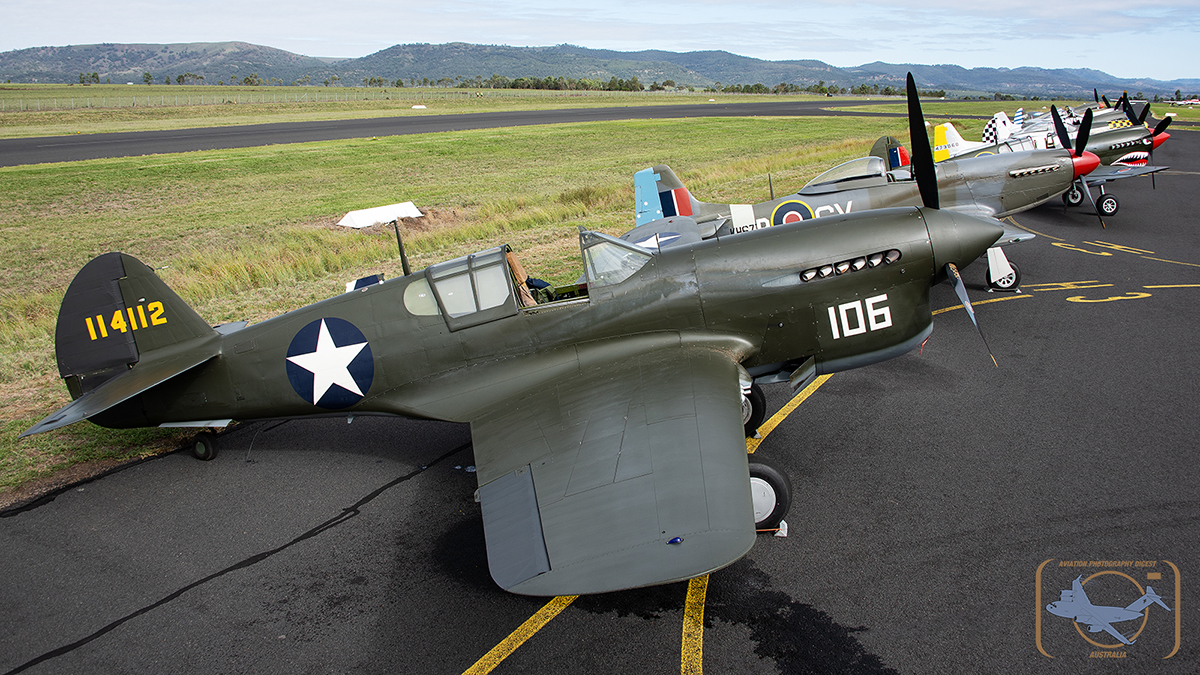
Warbirds Over Scone takes flight in record-breaking weekend
Record crowds flocked to Scone in regional-New South Wales for the largest warbird airshow in the Southern Hemisphere last month.
Report by Ryan Imeson
Photos by Ryan Imeson and Jaryd Stock
Jumping in the car after Warbirds Over Scone was one of those moments where you sit down and think to yourself, “wow, I have just witnessed something special”.
A record crowd of more than 15,000 people no doubt felt the same way following the largest warbird airshow in the Southern Hemisphere, as the skies over the small New South Wales country town of Scone came alive with the sound of radials, merlins and just about everything in between.
Organisers Paul Bennet Airshows, Pays Aviation and Hunter Warbirds stated they had never sold as many tickets to an airshow as what they did for Warbirds Over Scone 2026, and it was easy to see why.
The variety of participants was incredible, with aircraft such as a replica Fokker Triplane, through to P-40 Kittyhawks and even Australia’s only flying DeHavilland Vampire all taking to the skies.
One of the largest gatherings of Spitfires, Mustangs and Kittyhawks in the Southern Hemisphere since World War II showcased just how big this show was going to be.
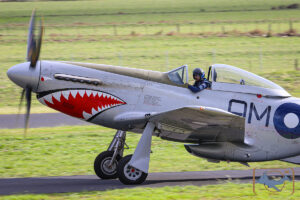
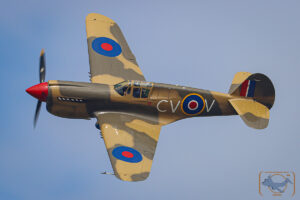
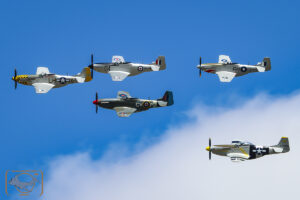
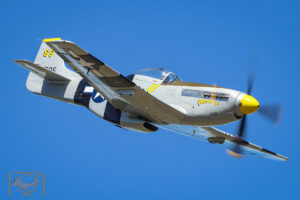
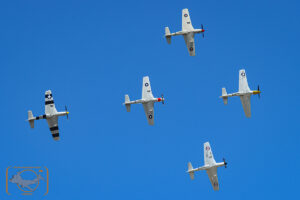
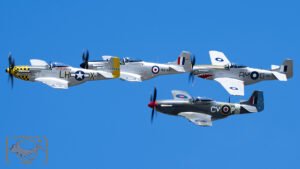
Five P-51/CA-18 Mustangs took part in the flying display, with two more on the ground available for the public to see up close. Four P-40 Kittyhawks all flew on both days of the show, with a fifth P-40 flying in from Queensland on the Saturday as part of the static display. This made it the largest gathering of P-40’s in Australia, in one place since World War II.
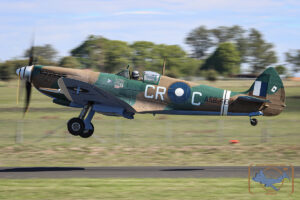
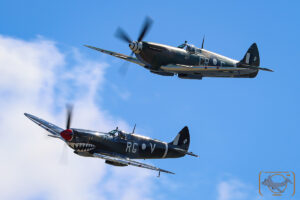
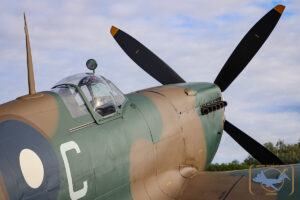
Due to various circumstances, the number of intended flying Spitfire participants was decreased in the days leading up to the show. Two Mk. VIII variants flew, with a couple more on the ground on static display.
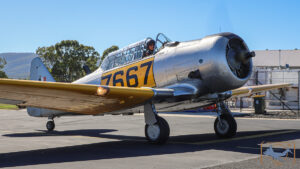
Attendees were taken back to the early years of military aviation with displays by popular wartime trainers the Tiger Moth and the Boeing Stearman. Both aircraft flew graceful aerobatic and handling routines.
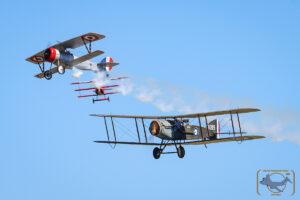
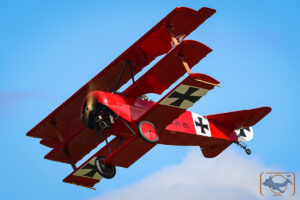
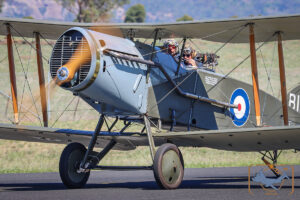
A World War I-era dogfight reenactment took place featuring the Bristol F2B, the Nieuport 24 and the Fokker Triplane. It was the ‘bad guy’, Andrew Carter in the Fokker Triplane who came out on top, after ‘shooting down’ Glenn Graham in the Nieuport 24, and scaring off Paul and Jett Bennet in the Bristol F2B.
It wasn’t the only time we saw Glenn, Paul and Jett take to the skies in biplanes.
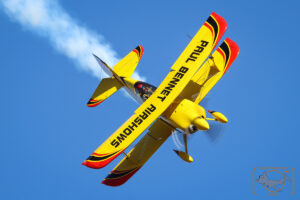
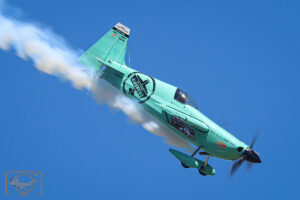
The famous ‘Sky Aces’ made up of Paul in the Wolf Pitts Pro, Jett in the Wolf Pitts 360 and Glenn in the Pitts S1-SE wowed the crowds as Australia’s premier formation aerobatic team.
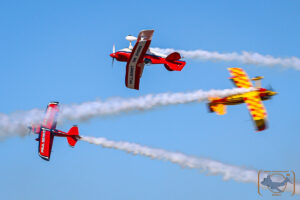
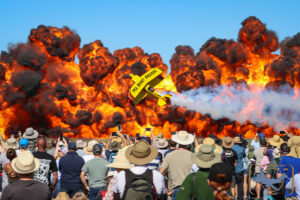
Paul completed a number of other displays during the show in the Wolf Pitts Pro including the opening flag drop, which sees the aircraft spiral around a descending skydiver, and a remarkable solo aerobatic display that has been seen as far as South Korea and Oshkosh.
The Wolf Pitts and the ‘Wall of Fire’ are now synonymous with Australian airshows, and always make for a great photo opportunity.
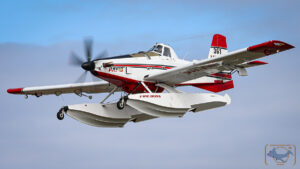
To make sure all of the fire had been put out following the explosion, the locally based and Pays-owned AT-802 Fireboss flown by Alex Pay completed a waterdrop demonstration to show how effective the fleet of Pays Aviation aircraft can be.
Glenn Graham also flew solo displays in the Edge 540 and the Yak 52 with the former being one of the best high energy aerobatic displays you are ever likely to see.
Warbirds Over Scone saw Royal Australian Air Force (RAAF) trainers represented from the World War II era, right up until 2019.
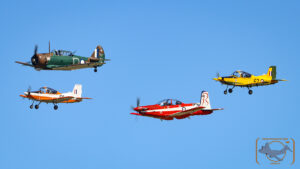
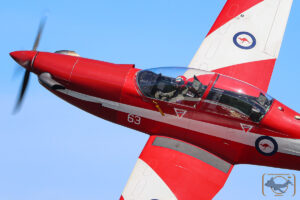
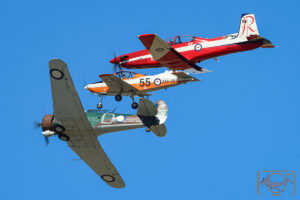
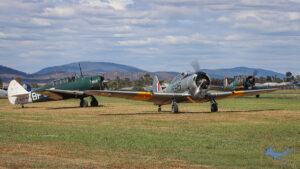
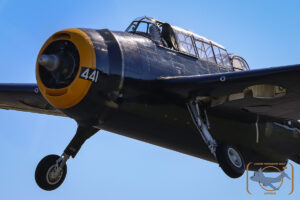
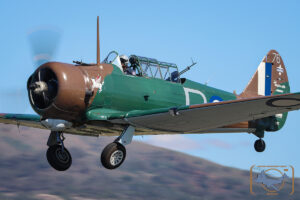
The Tiger Moth was joined by three Wirraways (the only three flying in the world), a couple of Winjeels, numerous CT-4’s and a PC-9. A world first airshow display was that of the Wirraway, CT-4 and PC-9 formation. It has never been done before, and it was no doubt a highlight to many.
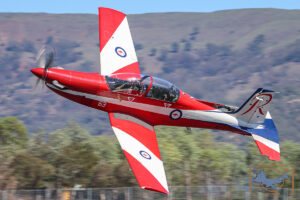
Beginning its solo display barely 6ft off the ground with a low, knife edge ‘slide slip’ was the PC-9. Former RAAF Roulette pilot Steve Bekker showed just what the aircraft was capable of, with an incredible display that was considered to be one of, if not the best of the weekend.
P-51/CA-18 Mustangs converged on Scone from as far away as Tyabb in southern Victoria and Archerfield in southern Queensland.
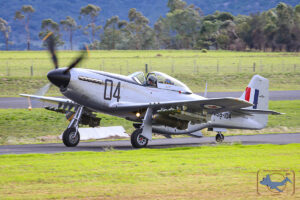
Five Mustangs flew a formation display, with Cameron Rolph-Smith flying the solo. It was the largest gathering of Mustangs in the air since seven took to the skies at Tyabb back in 2004.
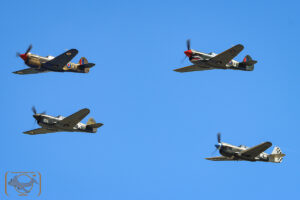
Another large V12 formation was that of the P-40 Kittyhawks. As previously mentioned, four P-40’s were part of the flying display, with Stephen Death and Gerard Lappin sharing the honours of the solo display on each day.
In terms of noise, for what could have been confused as the arrival of an outlaw motorcycle gang, the formation of three T-28 Trojans certainly created a racket with their three Wright R-1820 Cyclone radial engines. Tim Dugan also flew a graceful solo display.
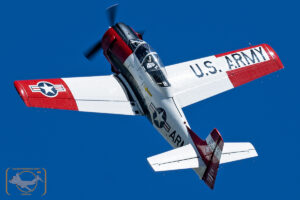
The Sunday of the show also saw another radial formation come together for a display, with three T6 Harvards joined by the twin-tailed Beech 18, with some graceful flybys and aerobatics.
Another twin-tailed aircraft at Warbirds Over Scone was the Lockheed Hudson. The only example flying in the world came to Scone courtesy of RAAF’s 100 Squadron and the Temora Aviation Museum.
Paul Bennet as always was an incredibly busy man during the show weekend, climbing in and out of different aircraft constantly to take part in the show.
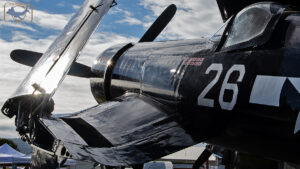
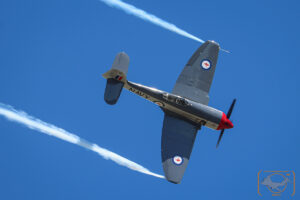
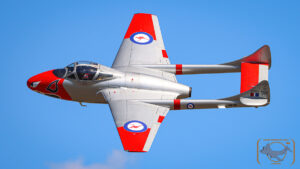
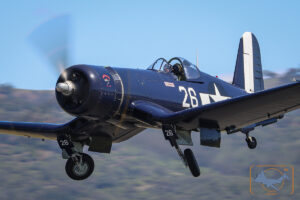
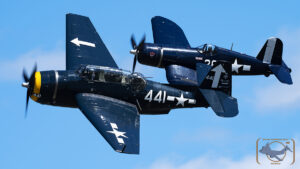
He flew solo displays in the Corsair, the Sea Fury and his relatively new DeHavilland Vampire, which unfortunately was unable to fly on the Saturday. The Corsair is a genuine living combat veteran, having operated from the decks of the USS Intrepid during the Battle of Okinawa in World War II.
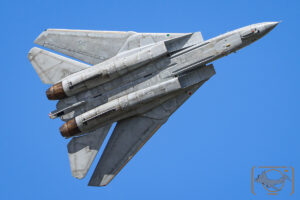
Rarely has an F-14 been seen over Australian skies, much less at an airshow. Whilst it was only an (approx) 1:5 scale RC model, it was nice to look through the camera and see an F-14 on the other side. The F-14 flew alongside an RC F-16 as part of the Sky Aces RC team.
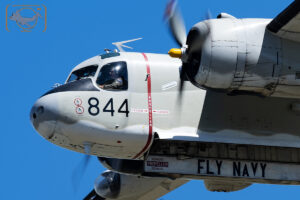
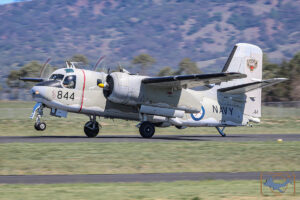
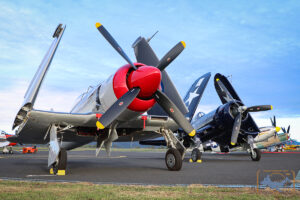
A personal highlight was the formation flypasts of the Grumman Tracker, the Grumman Avenger and the Corsair, a display that has never been seen at an Australian airshow before.
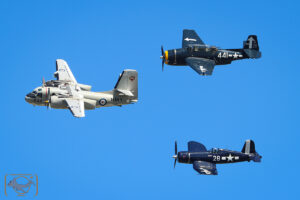
Courtesy of the Historical Aircraft Restoration Society at Albion Park in New South Wales, it was the first time the Tracker had travelled away from its home base for an airshow since 1989, a credit to the pilots and maintainers that keep the aircraft alive.
The two Grumman aircraft as well as the Corsair also completed solo displays, with Alex Le-Merton leading the Tracker flight and Matt Henderson displaying the Avenger.
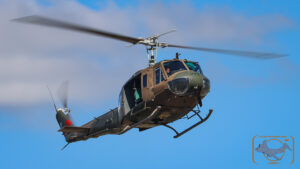
Unmistakable sounds of a ‘Huey’ rang out over Scone as Nick Pay flew his aircraft up from Tyabb in Victoria to take part. The Augusta-Bell 205A was the only helicopter to fly as part of the airshow as the slapping of the rotor blades made sure everyone knew about it!
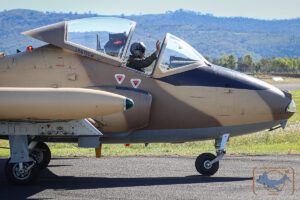
One of the more modern (ish) warbirds to fly at Warbirds Over Scone was the locally based BAC Strikemaster. A resident of the Hunter Warbirds museum at Scone, the Strikemaster wears the scheme of the Kuwait Air Force and is currently the only flying Strikemaster in the country.
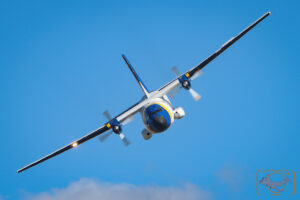
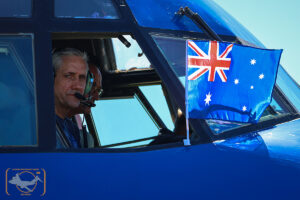
By far the largest aircraft to fly at Warbirds Over Scone, was the former Luftwaffe operated Transall C-160. Many would say it was also probably the most impressive display of the airshow, with well-known German pilot Klaus Plasa flying the giant cargo aircraft more like a fighter.
A mixture of high speed, low speed, low altitude manoeuvres combined with high wingovers left many scratching their heads at what they had just seen as this (approximately) 63,000lbs powered through the skies.
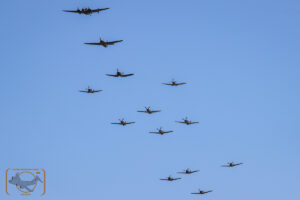
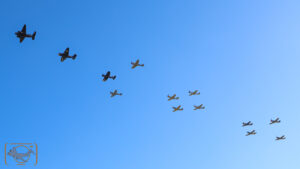
‘Balbo’ is a term used to describe a large formation of aircraft, common in the era of World War II. It is associated with the final flying display at many Australian airshows. Thirteen aircraft made up the Balbo at Warbirds Over Scone, one of the largest airshow formations seen in Australia in recent times.
The Lockheed Hudson led the Avenger, Corsair, two Spitfires, four Mustangs and four Kittyhawks as part of the finale on each day of the show. The Hudson and Avenger then broke away, with the remaining aircraft completing a number of formation flybys prior to breaking off for landing.
On the ground there was plenty to see, with a large number of static aircraft from the Hunter Warbirds museum available for an up close look, including the Mirage IIIO, the Mig 17, the Hawker Hunter and the Winjeel. Helicopter flights, food stalls, merchandise tents and kids rides all made for a great family day out.
Aviation Photo Digest wishes to thank Paul Bennet Airshows, Pays Aviation, Hunter Warbirds and any other individuals involved in the organisation of putting on such a world class event. As stated above, Warbirds Over Scone drew crowds like never seen before, and it was easy to see why.
A special shoutout for the team at Paul Bennet Airshows for all their help and for being so accommodating throughout the entire weekend. We already cannot wait for the next one.
Ryan Imeson is based in Melbourne, Australia. Attending his first airshow with his father at the age of 5, he was hooked on aviation from then on. With a strong interest in military and warbird aviation, Ryan likes to attend as many airshows and exercises as he can, naming the F/A-18 Classic Hornet and the P-40 Kittyhawk as his two favourite aircraft.
He was given a Canon ‘point and shoot’ digital camera during his childhood years and hasn’t looked back, still using Canon gear to this day.
Ryan loves to promote aviation to the community in any way that he can, hoping to convert as many people to ‘avgeeks’ as possible.
Ryan can be reached at: [email protected]