
ILA Berlin 2026: Europe’s Defence Reset
Report and photos by Gabriele Rivera
August 29, 2026
Rather than overshadowing ILA Berlin 2026, the collapse of the SCAF programme became the defining backdrop to an exhibition that underscored how Germany—and Europe as a whole—is reshaping its defence industry around operational readiness, strategic autonomy and accelerated capability development.
Major defence exhibitions have long served as the stage where governments and industry announce the successful conclusion of negotiations that often take years to complete. This year’s ILA, however, will be remembered for something very different. Just days before the show opened, France, Germany and Spain formally brought an end to the original SCAF (Système de Combat Aérien du Futur) programme, launched in 2017 by French President Emmanuel Macron and German Chancellor Angela Merkel.
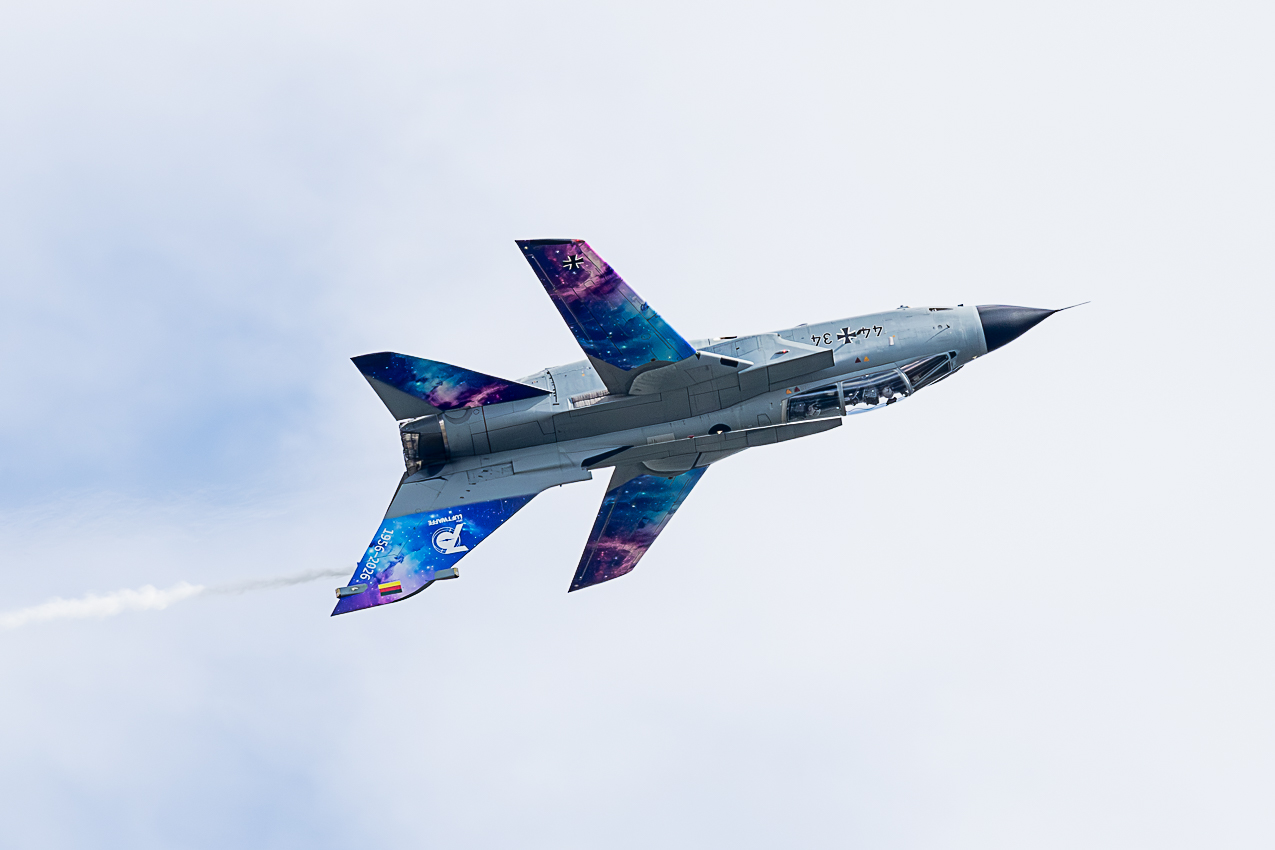
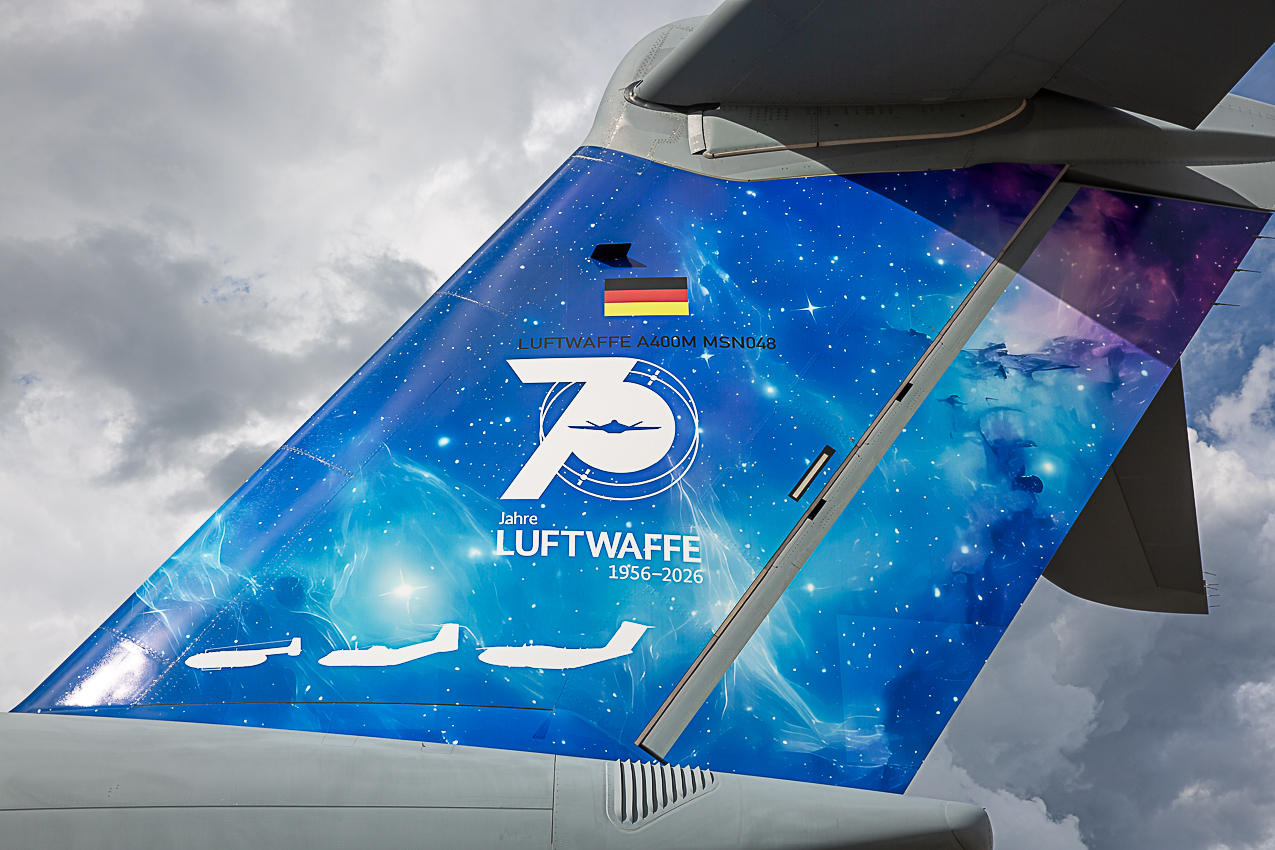
Following months of increasingly public disagreements between Dassault Aviation and Airbus over industrial leadership and workshare, the programme’s demise came as little surprise. Even so, there was a certain irony in seeing the silhouette of the original New Generation Fighter—a design that, in that form, will never fly—featured on commemorative decals applied to every German military aircraft displayed at ILA to mark the Luftwaffe’s 70th anniversary.
Only days after the programme’s cancellation, eight leading German defence companies—Airbus, Autofly, Diehl, HENSOLDT, Liebherr, MBDA, MTU Aero Engines and Rohde & Schwarz—issued a joint position paper urging Berlin to make rapid decisions on the country’s future sixth-generation combat aircraft. Operating under the banner Team Gen 6, the companies argued that Germany must move quickly if it hopes to field an indigenous sixth-generation stealth fighter before 2040.
Their concern extends well beyond schedules. The cancellation of SCAF leaves several research programmes without funding, raising the prospect of losing both highly specialised engineering teams and the technological advances achieved over nearly a decade of collaborative development. Spanish industry, which joined SCAF in 2019, has since launched a similar initiative aimed at preserving the expertise accumulated during the programme.
Rather than diminishing the importance of ILA, the programme’s collapse sharpened the exhibition’s focus. Throughout the show it became increasingly clear that Germany is no longer debating whether to transform its armed forces and defence industry, but how quickly that transformation can be achieved.
The Bundeswehr’s new force posture—shaped by the Zeitenwende announced after Russia’s invasion of Ukraine—has already translated into a series of major procurement decisions. To rebuild military capability in the shortest possible time, Berlin has increasingly turned to proven systems available from foreign suppliers, particularly in the United States and Israel. As a result, companies such as Lockheed Martin and Boeing have secured major contracts by offering mature, readily available solutions while Germany simultaneously invests in rebuilding its own industrial base.
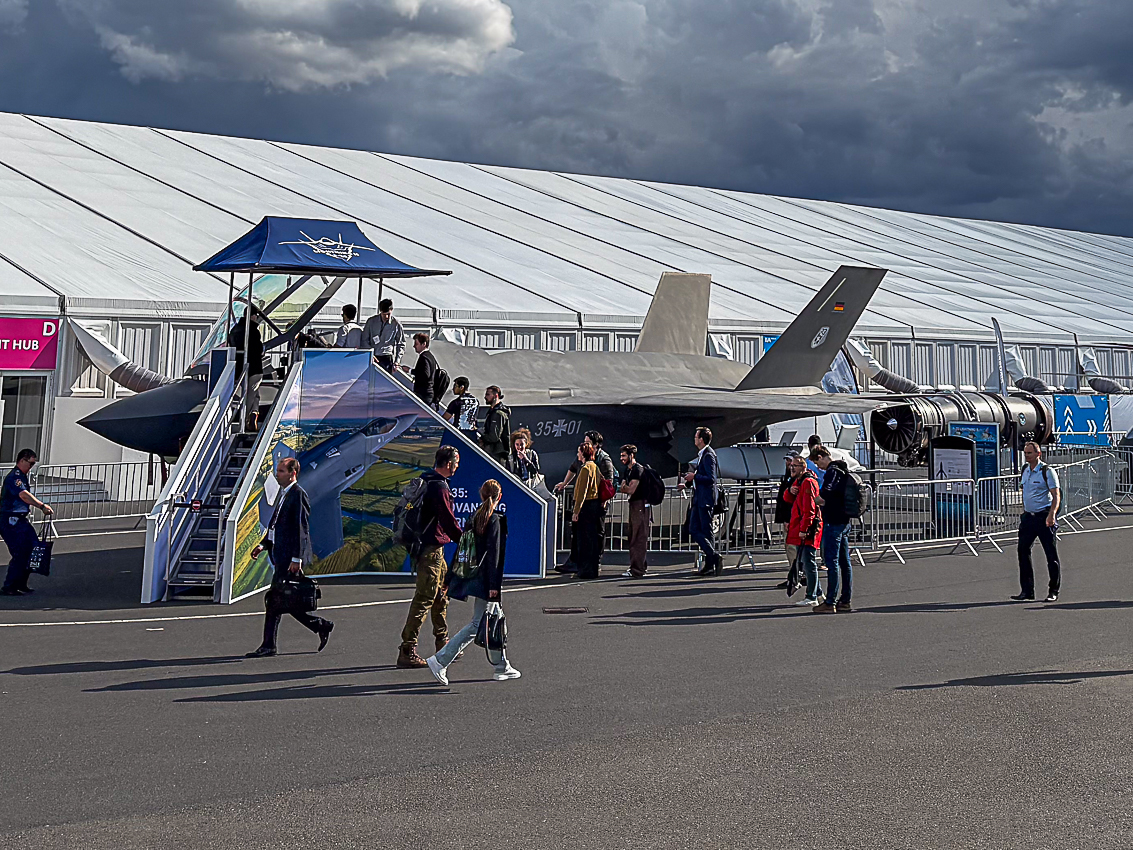
Against that backdrop, it was hardly surprising to find an F-35 mock-up wearing the markings of Jagdbombergeschwader 33 (JaBoG 33), based at Büchel, the first Luftwaffe unit scheduled to receive the Lightning II beginning in 2027. Aircraft assigned to pilot training at Ebbing Air National Guard Base will arrive earlier. Beyond its nuclear mission, Germany’s F-35 fleet will also field the Kongsberg Joint Strike Missile (JSM) for anti-ship operations, while long-range strike missions will rely on the Joint Air-to-Surface Standoff Missile (JASSM), ordered in 2024. Diehl, meanwhile, is preparing to integrate the IRIS-T with the F-35 and is seeking cooperation from other Lightning II operators that already field the missile.
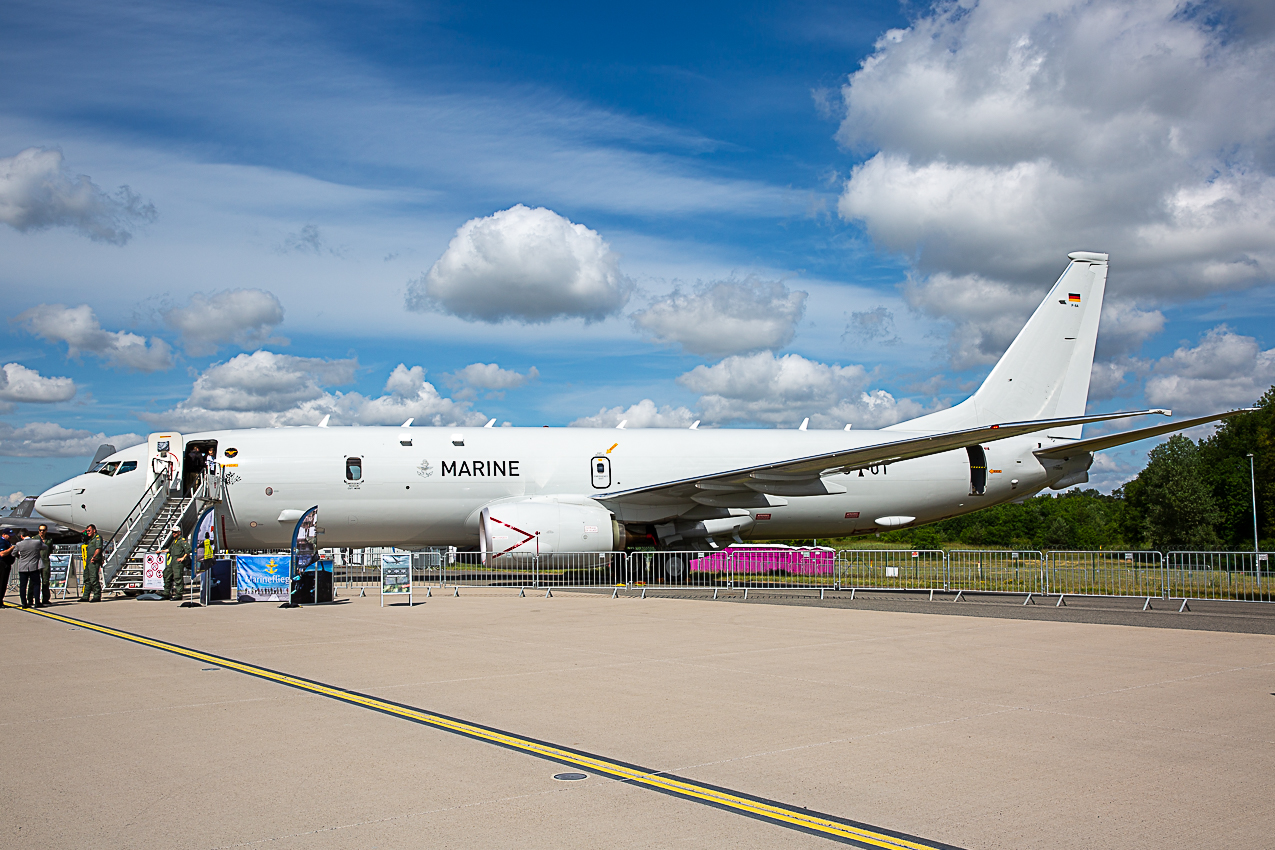
Boeing was equally prominent at this year’s ILA. According to Kapitän zur See Broder Nielsen, Commander of the German Naval Aviation Command, the P-8A Poseidon programme is meeting—or even exceeding—the Marineflieger’s expectations. Three aircraft are already in service at Nordholz, with two more scheduled for delivery this fall and the remaining three arriving during 2027.
Compared with the ageing P-3C Orion, the Poseidon delivers a dramatic improvement in range, mission effectiveness and crew working conditions. Its fully networked architecture will also allow German Naval Aviation to regain a capability it lost several years ago: anti-ship strike. Once integration work is complete, the P-8A will be able to employ modern anti-ship missiles alongside its existing anti-submarine warfare mission.
Nielsen declined to comment on reports that Germany may order three additional Poseidons, although the Navy is also expected to procure another batch of Mk 54 lightweight torpedoes. At the same time, Boeing remains on track to begin deliveries of the first CH-47F Block II Chinooks late next year. The 60 helicopters will replace the Luftwaffe’s ageing CH-53G fleet, which is due to retire by 2030.
Germany’s investment in integrated air and missile defence is moving forward just as rapidly. The acquisition of Israel Aerospace Industries’ Arrow 3 system provides Berlin with its first capability to intercept long-range ballistic missiles outside the atmosphere. IAI confirmed at ILA that production of the next-generation Arrow 4 interceptor is expected to begin next year. Besides offering improved hit-to-kill performance, the new interceptor has been designed with a significantly lower unit cost, making sustained missile defence more affordable.
Rafael also indicated that it would be prepared to localise part of Iron Dome production in Germany should Berlin decide to procure the system. Such an arrangement would remove one of the principal industrial obstacles that had previously complicated any potential acquisition.
No assessment of ILA 2026 would be complete without a look at the Eurofighter Typhoon, which remains central to Germany’s long-term combat aviation plans. Several aircraft were displayed throughout the exhibition, including one parked outside the Airbus chalet carrying an extensive selection of external stores.
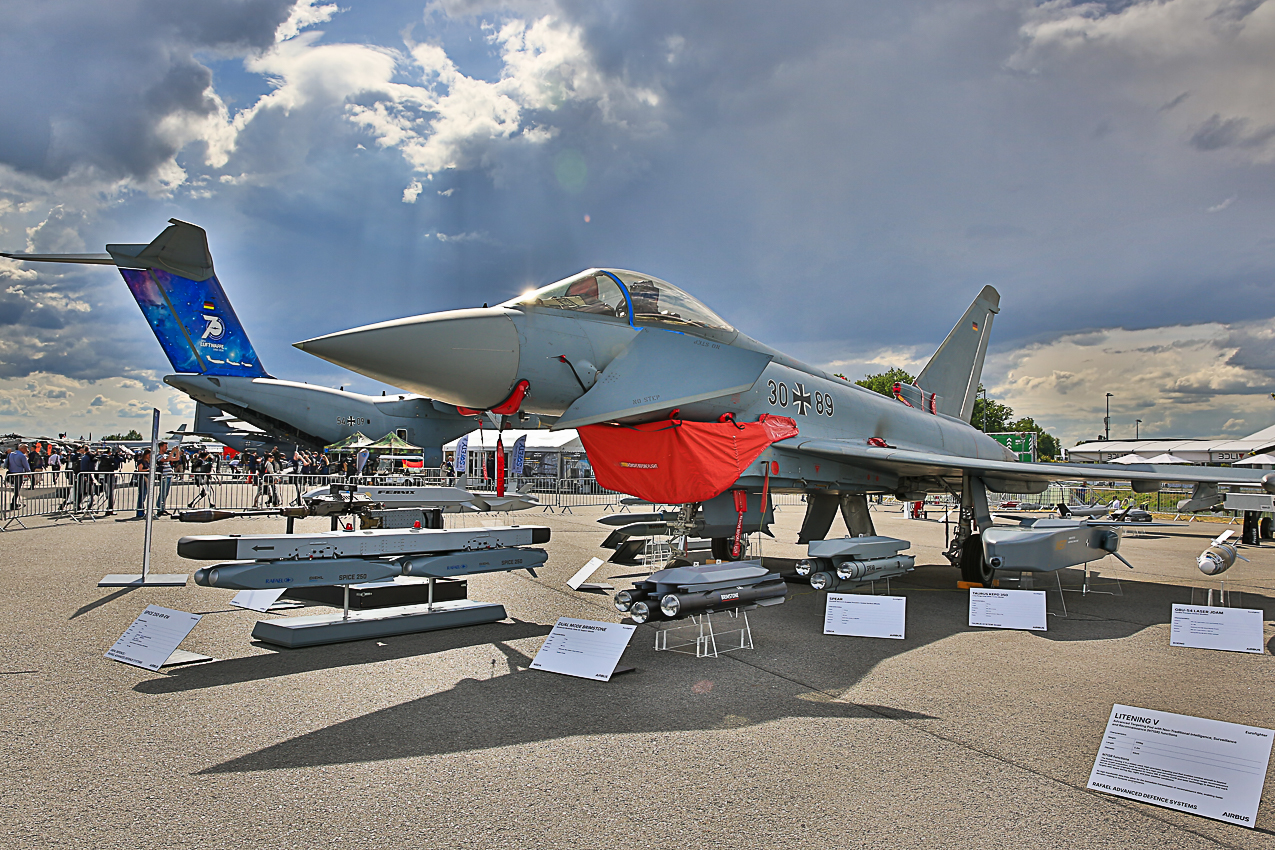
Of the roughly 150 Typhoons still on order, almost one-third are destined for the Luftwaffe. Thirty-eight Tranche 4 aircraft will replace the increasingly obsolete Tranche 1 fleet, while another 20 Tranche 5 aircraft are earmarked to assume part of the Tornado’s mission set.
Together with Spain’s 45 recently ordered Tranche 4 aircraft—the first of which rolled out at Getafe only days before the show opened—the German fleet will become the first operational Eurofighters among the partner nations to receive the HENSOLDT/Indra ECRS Mk.1 AESA radar, initially in its Step 0 configuration. Flight testing of the fully mature radar continues aboard DLR’s heavily modified A320 ATRA (Advanced Technology Research Aircraft), equipped with a Eurofighter radome.
One of the exhibition’s more significant procurement announcements involved Germany’s future stand-off electronic warfare capability. BAAINBw has selected Bombardier’s Global 8000 business jet as the platform for the programme, with a contract covering an initial six aircraft—potentially expanding to twelve—expected to be finalised shortly. Competition to develop the electronic attack suite is likely to pit Airbus against HENSOLDT, although a joint solution remains a possibility.
Parked only a few yards away, a Multinational MRTT Fleet (MMF) A330 MRTT illustrated another capability Europe is steadily rebuilding: strategic air mobility and aerial refuelling. While the continent still has ground to make up before reaching the desired level of self-sufficiency, the MMF continues to represent one of Europe’s most tangible examples of multinational defence cooperation translating into operational capability.
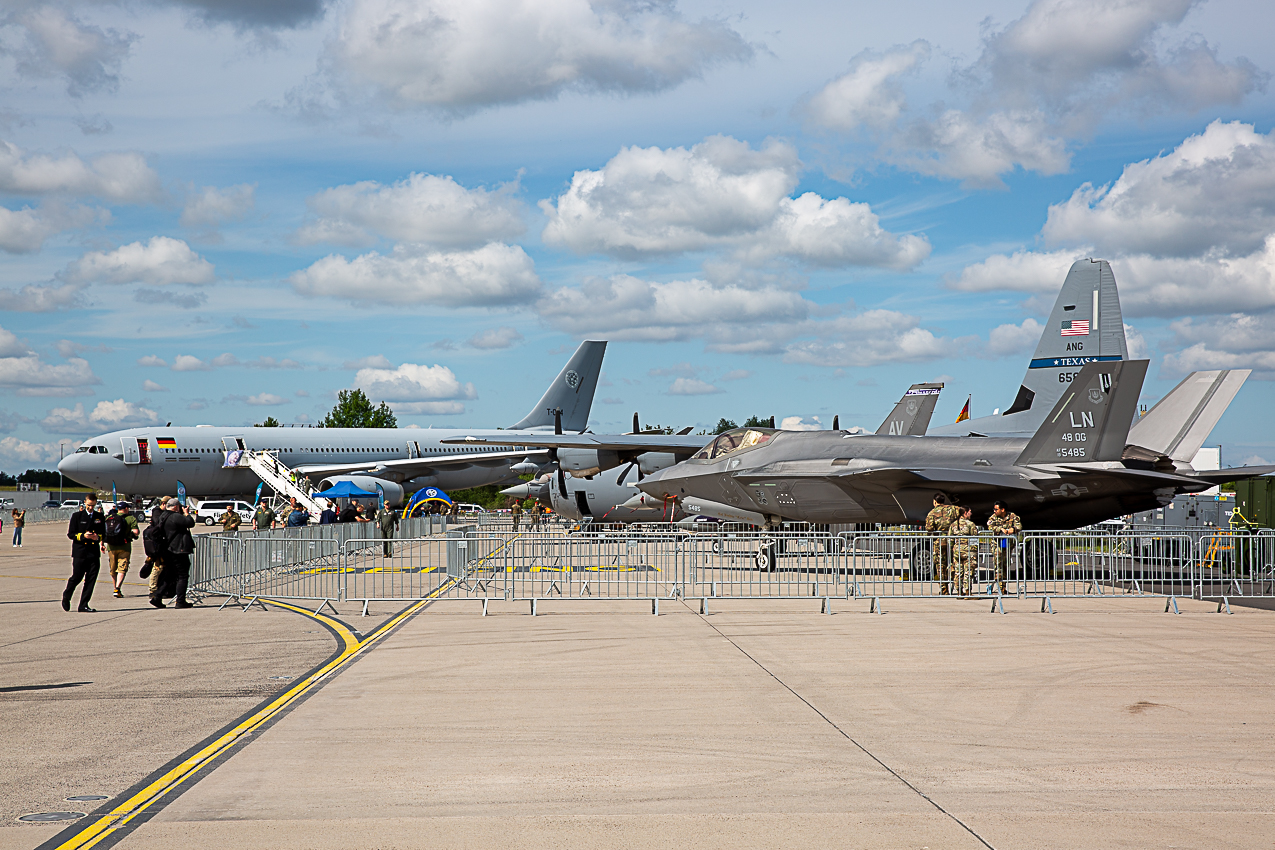
The rotary-wing sector was one of the undisputed highlights of ILA 2026, driven by the flying debut of two aircraft that could shape Europe’s next generation of military helicopters.
Leonardo used the show to present the AW249 Fenice, its next-generation attack helicopter and the long-awaited successor to the AW129 Mangusta. Designed from the outset for high-intensity combat operations, the aircraft shares the AW149’s transmission, five-bladed main rotor and tail rotor, but everything else—from the airframe to the mission system—has been developed from scratch to meet the demands of multi-domain warfare.
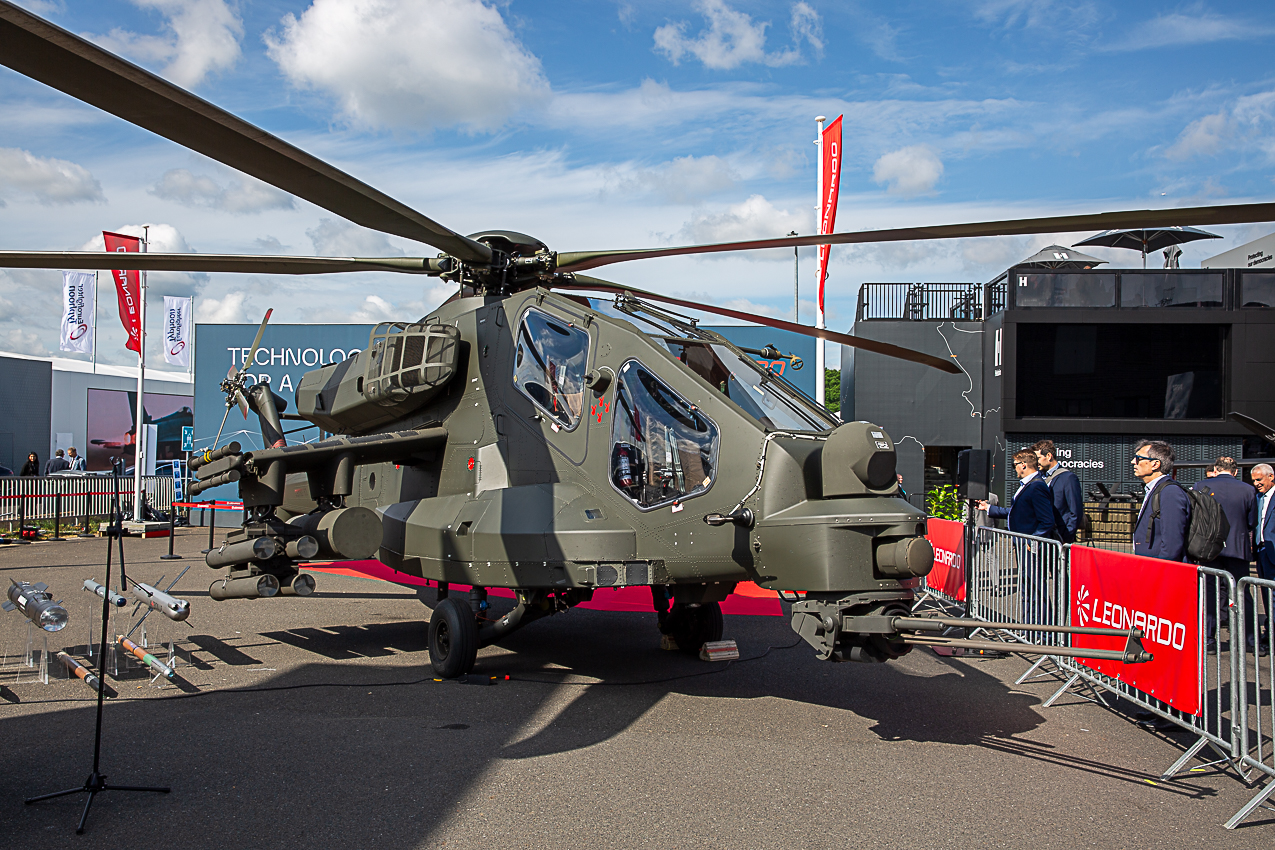
Meeting the Italian Army’s operational requirements inevitably produced an aircraft nearly twice the weight of the Mangusta. Power comes from two General Electric CT7-8E6 turboshaft engines, selected in part to maximize commonality with other Italian military helicopters, including the NH90. The result is a platform that combines substantially greater payload and survivability with the agility expected of a modern attack helicopter.
With Airbus winding down Tiger production, the AW249 is on track to become Europe’s only dedicated attack helicopter still progressing through certification. Leonardo expects the type to attract considerable interest across the continent, particularly in Germany, where the Tiger fleet is scheduled for retirement in 2031. Berlin currently plans to replace the aircraft with the H145M armed with EuroSpike missiles, but a light attack helicopter is unlikely to match the battlefield survivability, firepower and growth potential of a purpose-built platform such as the Fenice.
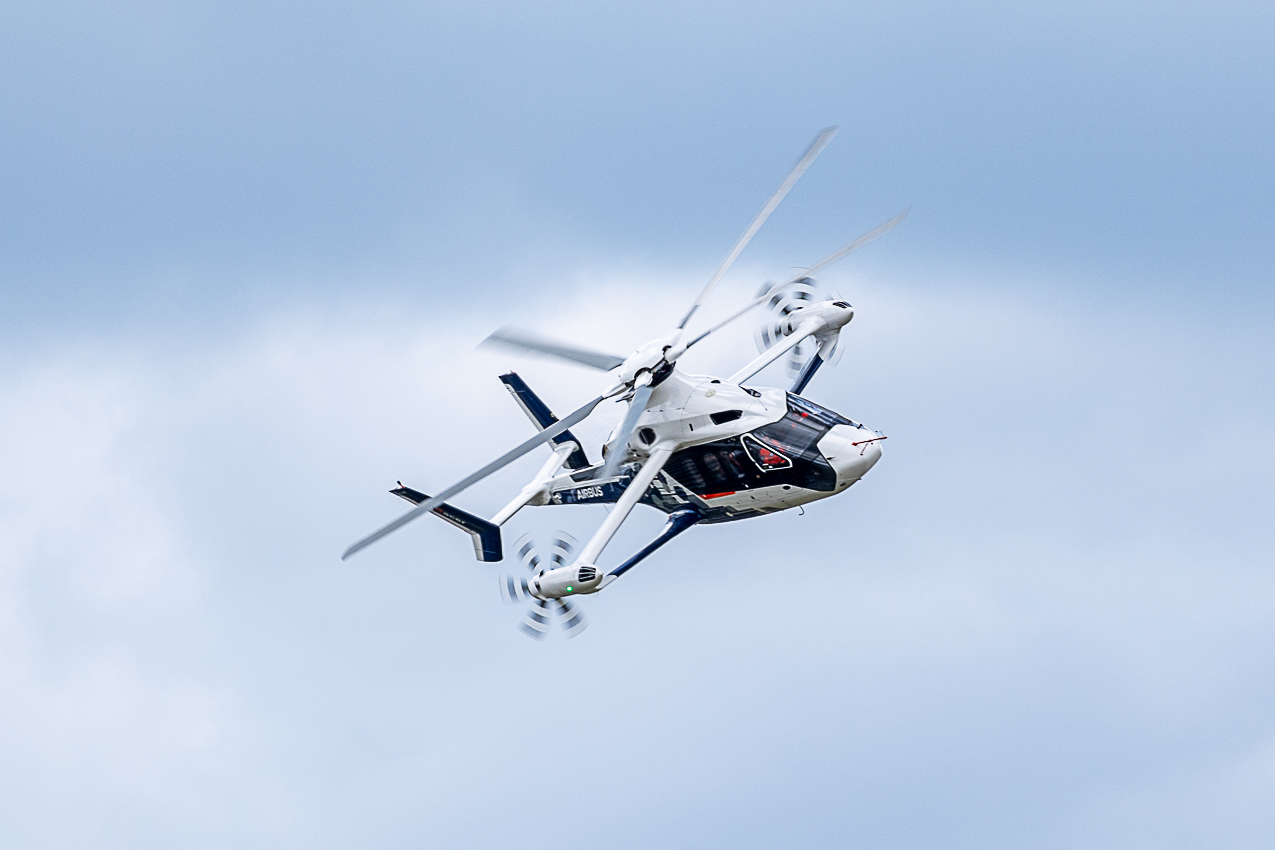
Airbus, meanwhile, showcased a very different vision of the future with the RACER (Rapid and Cost-Effective Rotorcraft) demonstrator.
Powered by two Safran Aneto 1X engines, the compound helicopter combines coaxial lifting surfaces with lateral pusher propellers to cruise at 180 knots while burning roughly 25% less fuel than conventional helicopters in the same class. Maximum speed reaches 240 knots, placing RACER in a performance category that begins to blur the traditional boundary between helicopters and fixed-wing aircraft.
Displayed alongside RACER was one of Airbus’ four H145 PioneerLab demonstrators, a flying testbed evaluating a broad range of technologies intended to improve efficiency and reduce operating costs. In its current configuration, a redesigned tail rotor and modified horizontal stabilizer increase lift while reducing aerodynamic drag, offering measurable gains in fuel efficiency.
Airbus is also continuing development of the unmanned U145, which featured prominently at the show. The mock-up emphasized two primary missions: autonomous logistics support in high-threat environments and, under the company’s partnership with MBDA, extending the range of air-launched effectors.
Removing the crew from the aircraft allows the U145 to carry payloads of up to 2,500 pounds over distances approaching 300 miles. Airbus also foresees naval applications, supported by its in-house Deck Finder autonomous landing system, which would enable the aircraft to operate routinely from ships with minimal human intervention.
Only a short walk away stood Sikorsky’s S-97 Raider, another compound helicopter, but one based on the company’s distinctive X2 configuration featuring coaxial rigid rotors and a rear pusher propeller.
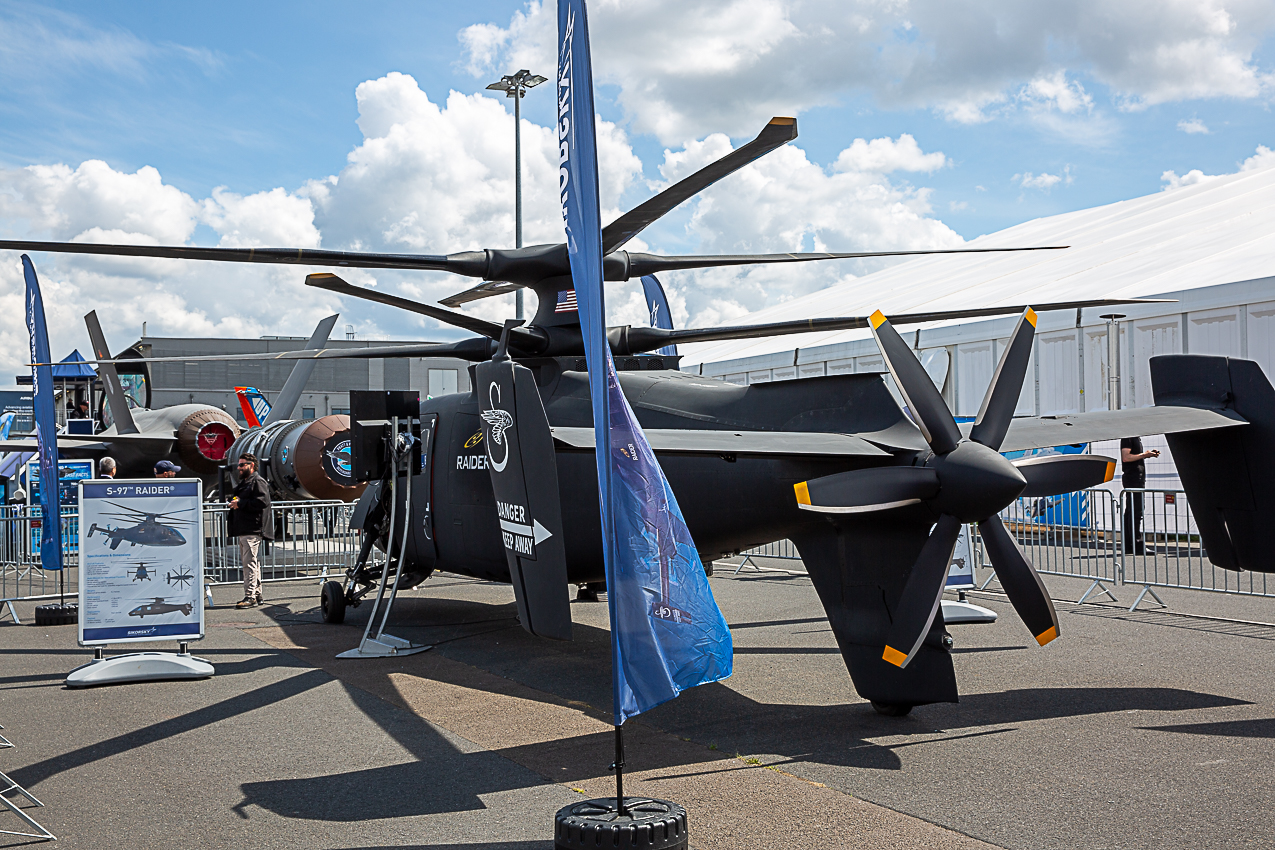
Although Leonardo and Sikorsky explored a possible partnership in 2023, the companies ultimately chose separate paths. Today, both manufacturers—together with Airbus—are participating in NATO’s Next Generation Rotorcraft Capability (NGRC) programme, each having secured contracts for the current concept phase.
Collaborative Combat Aircraft (CCAs) were impossible to ignore at ILA 2026. What only a few years ago seemed like a long-term concept has rapidly evolved into one of the fastest-moving segments of military aviation, with manufacturers now competing to position themselves for what could become one of Europe’s largest future procurement programmes.
Boeing arrived in Berlin with its MQ-28 Ghost Bat, fresh from signing cooperation agreements with Rheinmetall, Diehl and Rohde & Schwarz. Developed by Boeing Defence Australia in partnership with the Royal Australian Air Force (RAAF), the Ghost Bat remains one of the most mature CCA platforms currently flying and is widely regarded as one of the leading contenders for Germany’s future loyal wingman requirement. Boeing believes deliveries to the Luftwaffe could begin as early as 2029.
On the opening day of the exhibition, the four industrial partners officially unveiled one of the prototypes supporting Boeing Defence Australia’s ongoing flight-test campaign at the Rheinmetall chalet. Earlier that day, Boeing engineers outlined the most significant improvements planned for the production-standard aircraft.
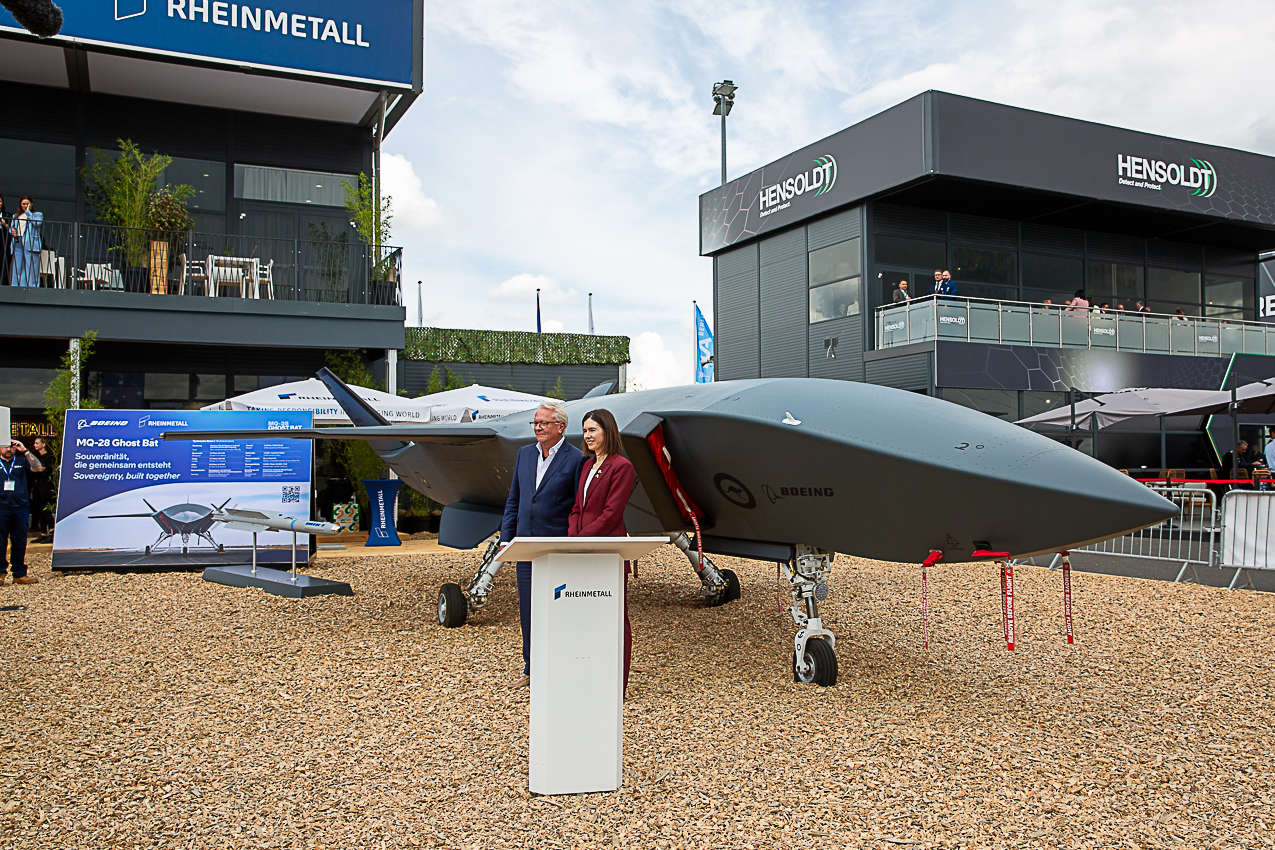
Compared with the current prototype, the operational version will feature a 25% larger wing, increasing both endurance and payload capacity. Maximum takeoff weight will grow to approximately 12,000 pounds, while two internal weapon bays will each accommodate either two AIM-120 AMRAAMs or four GBU-39 Small Diameter Bombs. The aircraft will also receive a modular nose section, allowing mission-specific payloads to be swapped with minimal effort.
Perhaps even more significant are the planned software enhancements. Future Ghost Bats will feature Beyond Line of Sight (BLOS) communications, enabling secure control over far greater distances and allowing the aircraft to exploit its projected operational radius of roughly 2,300 miles. Those capabilities move the platform well beyond the traditional concept of a remotely piloted aircraft and closer to an autonomous force multiplier capable of operating alongside crewed fighters.
Airbus presented a markedly different approach with the unveiling of the U760 Ravenstorm, a European-designed CCA expected to reach operational maturity around 2032.
Building on its partnership with Kratos and experience gained through the XQ-58A Valkyrie programme, Airbus envisions an aircraft approximately 43 feet long with a 33-foot wingspan, a maximum takeoff weight approaching 13,000 pounds, a payload capacity of roughly 1,100 pounds and high-subsonic performance.
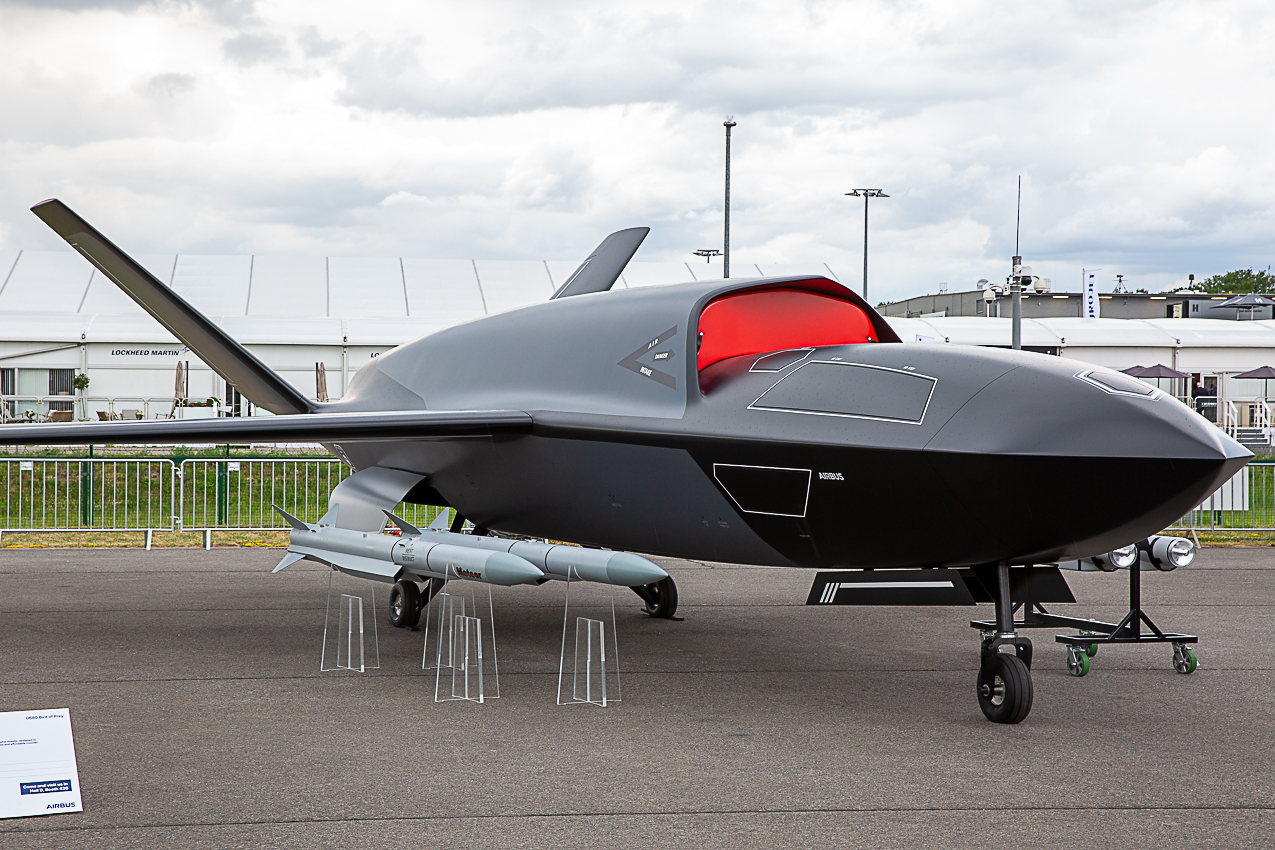
The Ravenstorm will be powered by Airbus’ MARS (Multiplatform Autonomous Reconfigurable and Secure) Autonomy mission system, integrating the company’s Mindshare artificial intelligence architecture. Perhaps more importantly from Berlin’s perspective, the programme is intended to provide Europe with a sovereign CCA capability, minimizing dependence on U.S. technologies for future autonomous combat systems.
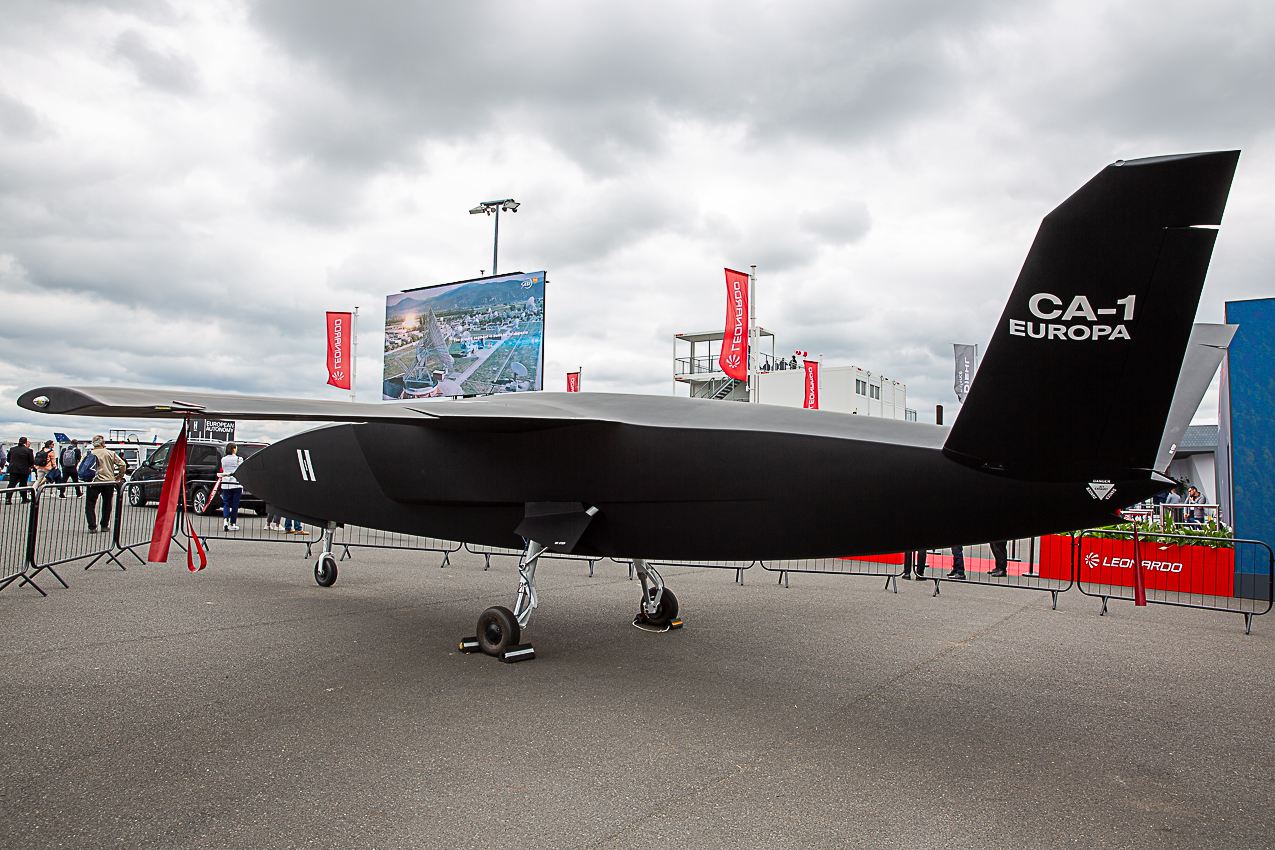
Technological sovereignty was also at the heart of Helsing’s presentation. The German company unveiled the CA-1 Europa, a Collaborative Combat Aircraft optimized for electronic attack missions and autonomous electromagnetic warfare.
Mission management will rely on Centaur AI, Helsing’s proprietary software suite for highly autonomous unmanned operations, while subsidiary Grob Aircraft is responsible for developing the airframe itself. Entry into service is projected for 2031, giving Germany another domestically developed capability intended to meet NATO’s growing demand for dedicated airborne electronic warfare assets.
Not every company focused on the aircraft themselves. MTU Aero Engines offered one of the show’s most thought-provoking perspectives by challenging the traditional philosophy behind military engine development.
According to the Bavarian manufacturer, propulsion systems for Collaborative Combat Aircraft should not necessarily be designed to the same durability standards required for crewed combat aircraft or commercial airliners. Since many CCAs may fly only a relatively small number of operational sorties during their service lives, engines can be optimized for affordability rather than longevity, dramatically reducing acquisition costs while still meeting mission requirements.
That philosophy aligns with MTU’s recent acquisition of AeroDesignWorks, a company specializing in propulsion systems for missiles and unmanned platforms, and offers a glimpse of how radically different the economics of future air combat could become.
Diehl showcased several wheeled launchers for the IRIS-T SLS and SLM air-defense systems while providing an update on development of the missile’s Block II variant. The company is also participating, together with Spanish Missile Systems, in the European HYDEF and follow-on HYDEF2 hypersonic defense programmes, while MBDA serves as prime contractor for HYDIS2.
Long-range strike emerged as another dominant theme at ILA 2026, reflecting Europe’s determination to reduce its dependence on non-European suppliers for one of the most critical capabilities in modern warfare.
Momentum behind European long-range strike efforts accelerated after Washington indefinitely postponed exports of the Typhon missile system. The decision reinforced concerns among several European governments about relying too heavily on foreign suppliers for strategically sensitive capabilities.
That shift is reflected in the rapid expansion of the European Long-Range Strike Approach (ELSA), which now brings together Germany, France, Italy, Poland, Sweden and the United Kingdom. Organized into eight implementation groups, the initiative spans virtually every aspect of long-range strike, including airborne early warning, air- and ground-launched weapons, suppression of enemy air defenses (SEAD), multiple-launch rocket systems and low-cost precision effectors.
Meeting operational requirements within the next few years will inevitably require upgrades to mature weapon systems even as next-generation technologies continue to mature.
MBDA is pursuing both tracks simultaneously. Near-term improvements include extended-range versions of existing systems such as the Taurus KEPD 350, while research continues on a hypersonic glide vehicle intended to achieve operational maturity before the end of the decade.
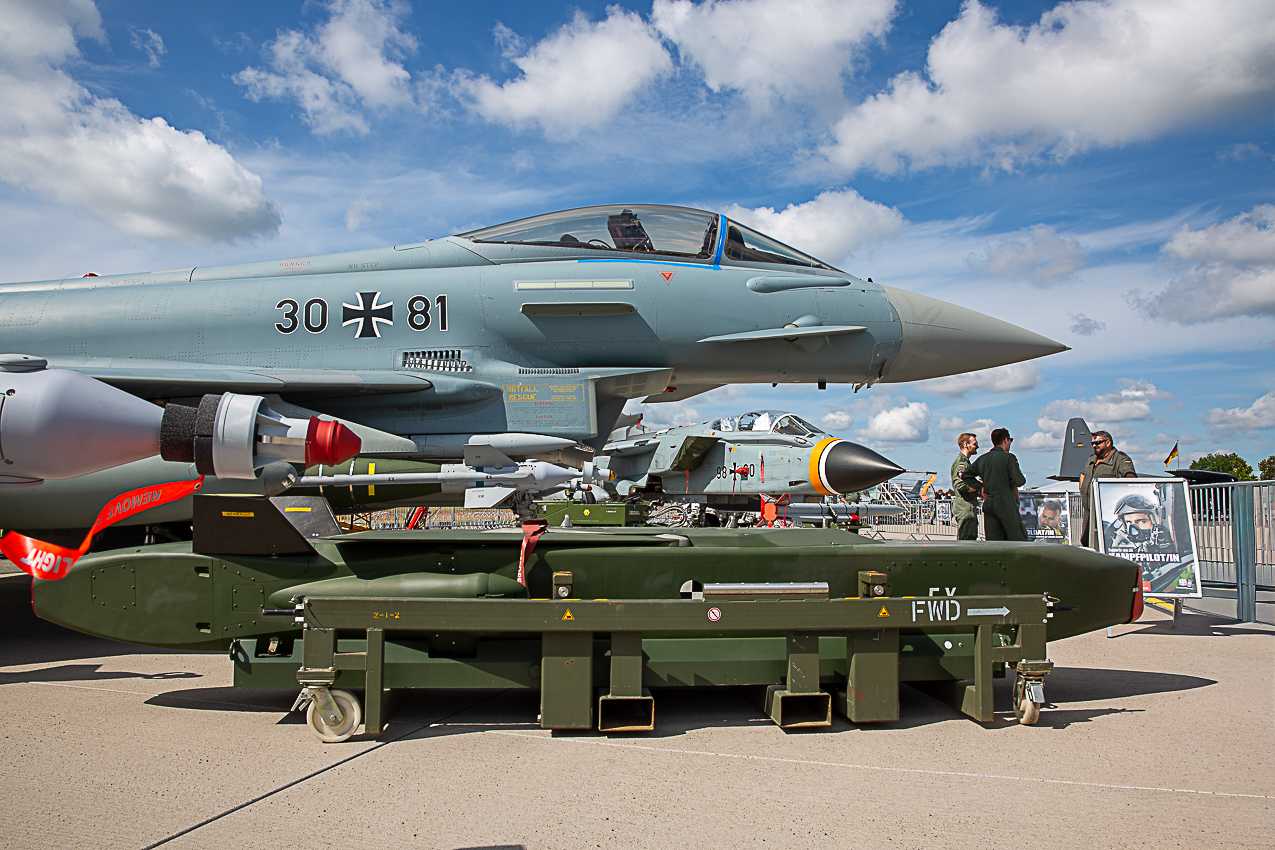
Rheinmetall, meanwhile, is finalizing an agreement with European start-up Destinus to develop the Ruta family of cruise missiles, offering ranges of up to 1,240 miles.
MBDA France continues work on the Mk.2 upgrade of SCALP Naval as the foundation for a future land-attack cruise missile capable of operating alongside low-cost, one-way Deluge effectors designed to overwhelm sophisticated air-defense networks through mass and saturation.
At the same time, ArianeGroup is pressing ahead with its V-MAX experimental programme, another indication that hypersonic technologies are rapidly moving from the research laboratory toward operational reality.
Unmanned systems occupied one of the busiest sections of the exhibition, reflecting just how quickly the sector continues to evolve.
Shield AI drew steady crowds with its V-BAT and X-BAT platforms, while Stark Industries and Ukraine’s SkyFall attracted considerable attention, particularly for the combat-proven P1-SUN interceptor drone.
Counter-UAS systems proved equally prominent. Among the more innovative concepts were Quantum Systems’ Pulse P19 and Diehl’s Cobra 600, developed in cooperation with Polaris Raumflugzeuge. Rather than waiting for hostile drones to penetrate defended airspace, both systems adopt an approach reminiscent of traditional Combat Air Patrols.
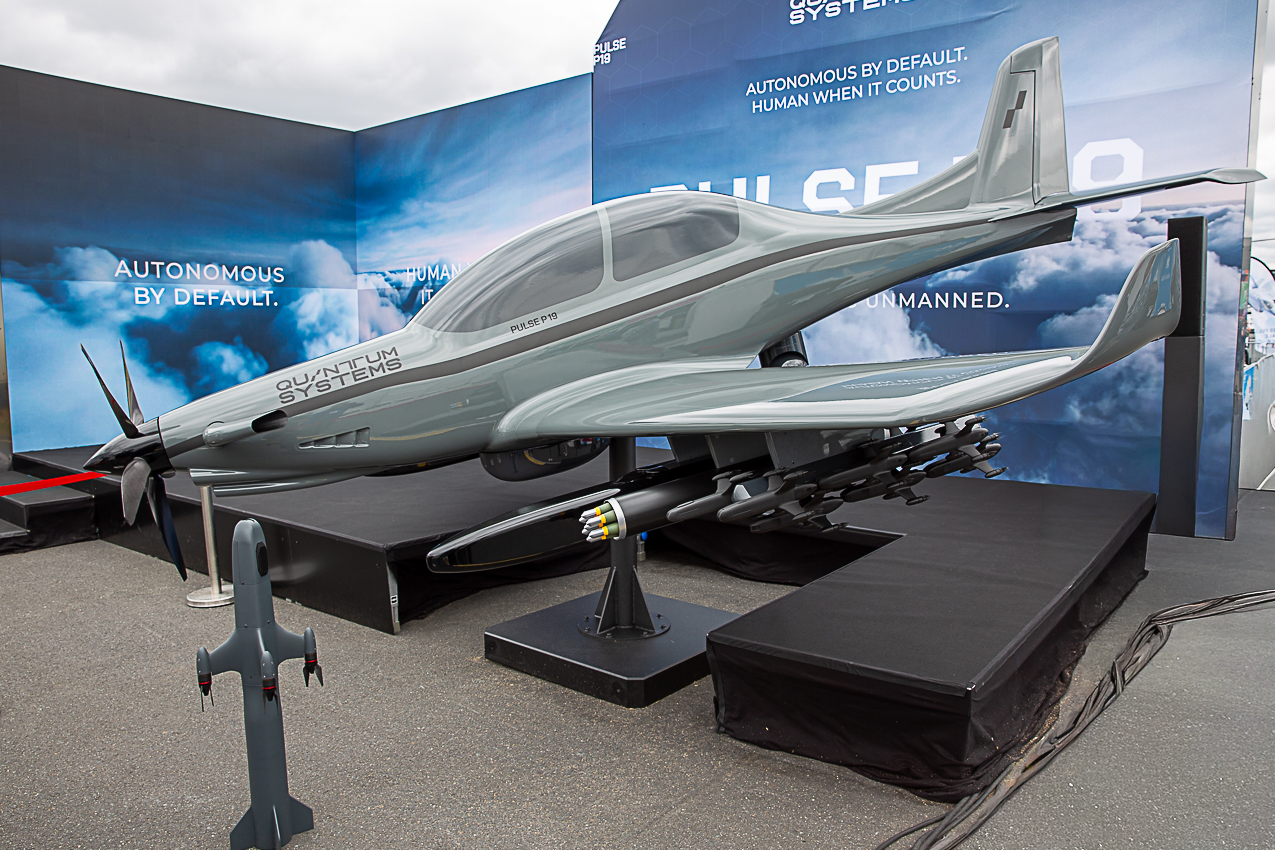
Instead of remaining close to the assets they protect, the platforms loiter dozens of miles forward of the defended area, intercepting incoming threats before they can overwhelm layered air-defense networks. Once their interceptors have been expended, the carriers simply return to base for rearming.
JetDrones also presented an intriguing technology demonstrator that uses compact model-aircraft turbojet engines to create a high-speed interceptor drone with an operational radius of approximately 45 miles.
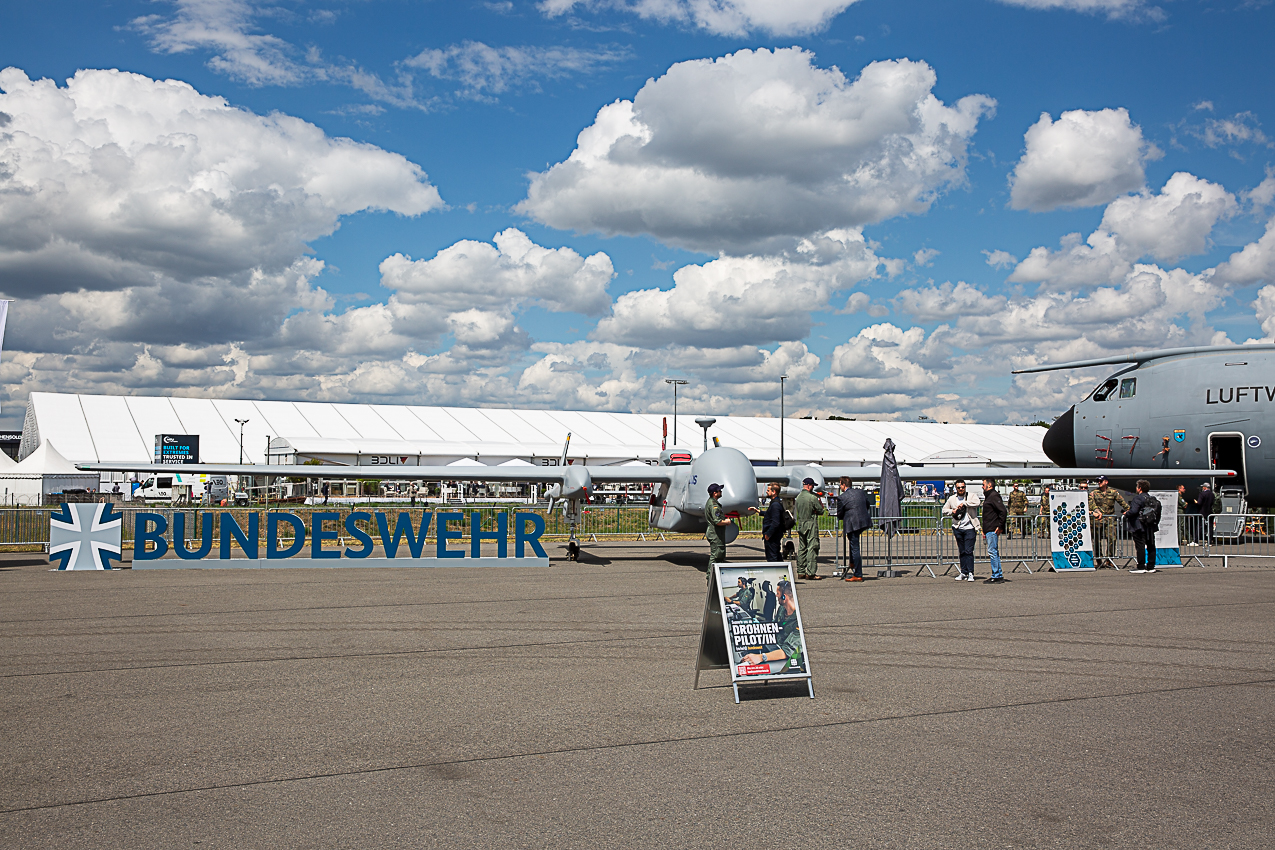
Among the larger unmanned aircraft on static display were the Luftwaffe’s IAI Heron TP and Airbus’ U950 Eurodrone.
The Heron TP also conducted demonstration flights throughout the show, streaming live imagery from its onboard sensors to displays across the exhibition grounds. The Eurodrone, meanwhile, remains on track for a first flight in 2029, finally bringing to fruition a programme that has taken considerably longer to mature than many comparable international efforts.
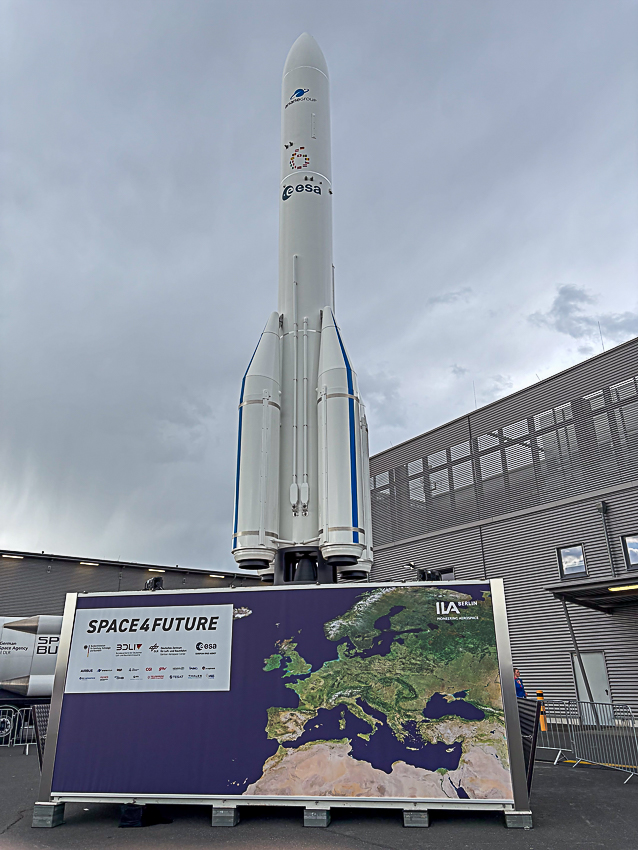
Space represented another major focus of ILA 2026, with an entire exhibition hall dedicated to the rapidly expanding sector.
Speaking during the Atlantic Bridge conference, U.S. Air Force Gen. Alexus G. Grynkewich, NATO’s Supreme Allied Commander Europe (SACEUR), argued that the Alliance must more clearly define which space and cyber capabilities member nations should develop over the coming decade.
The programmes being pursued by Airbus, Thales, HENSOLDT, ArianeGroup and Rheinmetall suggest that Europe’s long-standing ambition to achieve greater technological sovereignty is finally translating into concrete industrial initiatives.
Satellite reconnaissance, missile warning, positioning, navigation and timing (PNT), secure communications and independent launch capabilities are all becoming strategic priorities. For the first time in decades, the prospect of a fully European end-to-end kill chain no longer appears out of reach.
Beyond the aircraft unveiled and contracts announced, ILA Berlin 2026 offered something far more significant: a snapshot of a continent undergoing one of the most profound defence transformations in its post-Cold War history.
Germany’s rapid procurement of proven, off-the-shelf military equipment is already delivering tangible operational capability. At the same time, Berlin is investing heavily in the research, technologies and industrial partnerships needed to close the capability gaps that cannot simply be filled through foreign acquisitions.
Taken together, the programmes on display suggest that European industry is increasingly capable of bringing advanced combat systems from concept to operational service within the next decade.
NATO’s commitment to higher defence spending will almost certainly accelerate that process, encouraging more European allies to contribute not only greater resources, but also greater industrial capacity.
The ultimate objective extends beyond a more equitable sharing of Alliance responsibilities. Europe is seeking to build the technological and industrial foundations required to act with greater strategic autonomy while remaining a strong—and indispensable—pillar of NATO.



Gabriele was born in Turin, Italy, grew up in Sicily and now lives in Rome. His love for aviation goes back to the days when he was seven years old, he started to collect the ‘History of Aviation’ sold weekly at the nearby newsstand. With that, he realized that his goal was to become a military pilot. This dream met a harsh reality when, during the medical tests, a defect in his chromatic sense of sight was discovered.
His interest in photography arose a few years later, when he bought from a colleague his first single-lens reflex camera, a Pentax ME Super. Then everyday life took its toll; working as an IT analyst, studying for an MD in political science and starting a family left no time for enjoying his old interest for aviation. One day in 2008, he decided to revive the passion, starting again to take pictures of aircraft each time he has a chance. Now, using Canon gear, he is striving to become a photojournalist.
Gabriele can be reached at: [email protected]